

Related guides:
Key takeaways
- Why Cybersecurity Programs Are Essential Today: Cybercrime is a massive threat, with projected annual costs soaring to $10.5 trillion by 2025 (Cybersecurity Ventures).
- What Common Security Gaps Businesses Face: Before exploring the top cybersecurity programs, it’s important to understand the common weaknesses they are designed to fix.
- Top 7 Cybersecurity Programs to Address Security Gaps: The following seven programs are widely recognized for their ability to address critical security gaps across endpoints, networks, and cloud environments.
Cybersecurity has become a top priority for businesses and individuals alike. With cyberattacks evolving daily, organizations can’t rely on traditional firewalls or antivirus software anymore. Instead, they need comprehensive cybersecurity programs that protect against ransomware, phishing, insider threats, and zero-day attacks.
These programs serve as all-in-one solutions, closing vulnerabilities and safeguarding data. Whether you’re a startup, a growing company, or an enterprise, investing in a reliable cybersecurity program is essential.
Why Cybersecurity Programs Are Essential Today
Cybercrime is a massive threat, with projected annual costs soaring to $10.5 trillion by 2025 (Cybersecurity Ventures). Businesses of all sizes are targets, but small to mid-sized companies are particularly vulnerable due to a lack of robust defenses. This is where dedicated cybersecurity programs become critical. These platforms provide a multi-layered defense, helping organizations to:
- Detect and Stop Threats: They use advanced analytics and automation to identify and neutralize threats in real time, often before they can cause damage.
- Ensure Regulatory Compliance: They help businesses meet stringent standards like GDPR, HIPAA, and PCI DSS, avoiding costly fines and legal issues.
- Automate Incident Response: By automating the response to security incidents, these programs reduce reliance on manual processes and minimize human error during a crisis.
- Provide Actionable Insights: They deliver clear, data-driven reports on security posture, helping teams understand their vulnerabilities and make informed decisions.
Without these essential tools, companies face significant risks, including data breaches, severe financial losses, and long-term reputational damage.
What Common Security Gaps Businesses Face
Before exploring the top cybersecurity programs, it’s important to understand the common weaknesses they are designed to fix. Many organizations are susceptible to threats due to:
- Outdated Software: Unpatched software and operating systems create easy entry points for attackers.
- Poor Password Management: Weak or reused passwords make accounts easy to compromise.
- Phishing and Social Engineering: Employees often fall victim to deceptive tactics, granting attackers access to sensitive systems.
- Lack of Endpoint Visibility: Many businesses can’t monitor all devices connected to their network, leaving them blind to threats.
- Insider Threats: Malicious or careless actions by employees can lead to data leaks.
- Cloud Misconfigurations: Incorrectly set up cloud services can expose data to the public internet.
A well-chosen cybersecurity program can address these gaps with a proactive, layered defense strategy, transforming a company’s security from reactive to resilient.
Top 7 Cybersecurity Programs to Address Security Gaps
The following seven programs are widely recognized for their ability to address critical security gaps across endpoints, networks, and cloud environments.
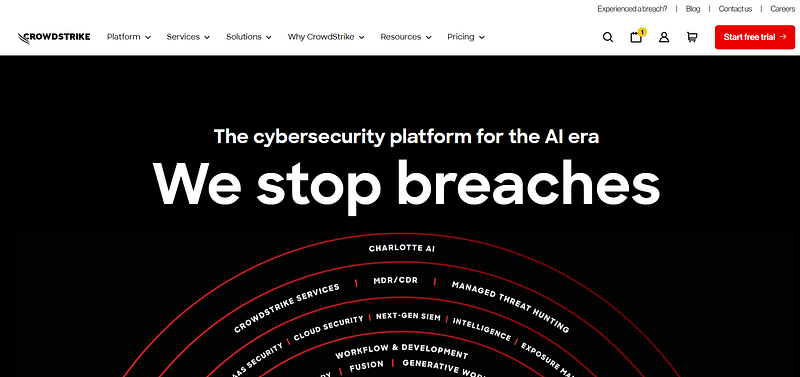
1. CrowdStrike Falcon
CrowdStrike Falcon is an AI-driven platform that delivers next-level endpoint protection. Leveraging machine learning and behavioral analytics, it helps organizations detect and prevent threats before they cause damage.
Key Features and Benefits:
- AI-Powered Threat Detection: Uses advanced algorithms to identify unusual patterns and potential malware in real time.
- Lightweight Cloud-Native Architecture: Minimal impact on system performance while offering scalable protection.
- Real-Time Visibility Across Endpoints: Provides centralized monitoring of all devices, simplifying threat management.
CrowdStrike Falcon is particularly effective for businesses that require high-speed detection and response across multiple devices without slowing down operations.
2. Palo Alto Networks Cortex XDR
Cortex XDR integrates endpoint, network, and cloud security into a single platform, offering a unified approach to threat detection and response.
Key Features and Benefits:
- Stops Advanced Persistent Threats (APTs): Detects long-term, stealthy attacks targeting sensitive data.
- Behavioral Analytics: Monitors activity patterns to identify potential threats before they escalate.
- Reduces Investigation Time: Automated correlation of events allows faster response to incidents.
Cortex XDR is ideal for organizations dealing with sophisticated, multi-layered threats that require proactive, intelligent detection.
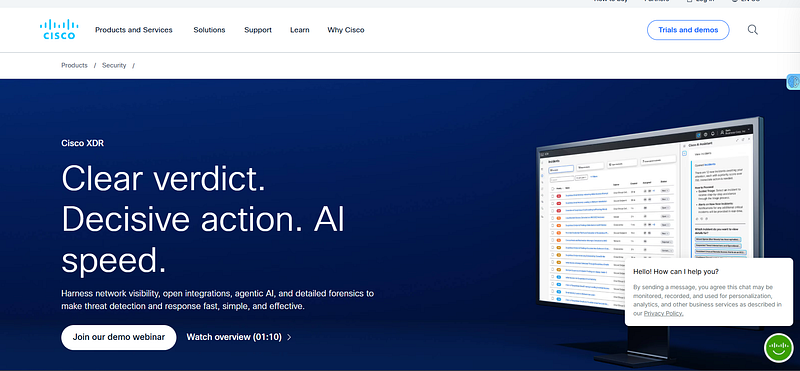
3. Cisco SecureX
Cisco SecureX is designed for enterprises seeking seamless integration across multiple security tools. Its cloud-native architecture enhances visibility, efficiency, and response times.
Key Features and Benefits:
- Unified Threat Response Dashboard: Provides a single pane of glass to manage alerts and incidents.
- Cloud-Native Threat Intelligence: Real-time threat feeds improve detection and preventive measures.
- Strong Integration with Cisco Ecosystem: Works effectively with existing Cisco products to streamline security operations.
SecureX is particularly valuable for large enterprises with complex IT environments, enabling centralized threat management.
4. Bitdefender GravityZone
Bitdefender GravityZone combines machine learning with advanced threat intelligence to deliver enterprise-grade security that scales for businesses of all sizes.
Key Features and Benefits:
- Ransomware Protection: Detects and blocks ransomware before it can encrypt critical data.
- Centralized Management Console: Simplifies administration across endpoints and networks.
- Affordable Pricing for SMEs: Offers enterprise-level protection without excessive costs.
This platform is well-suited for organizations looking for AI-powered protection with manageable costs and easy deployment.
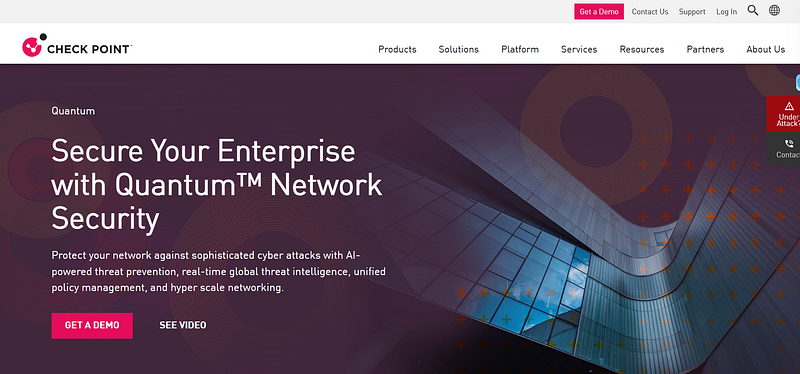
5. Check Point Quantum Security
Check Point Quantum focuses on network and cloud security, providing comprehensive protection against both known and emerging threats.
Key Features and Benefits:
- Zero-Day Threat Prevention: Blocks previously unknown vulnerabilities before they can be exploited.
- Multi-Layered Defense Architecture: Combines firewall, intrusion prevention, and advanced threat protection.
- Advanced Firewall Protection: Protects against internal and external network threats with high efficiency.
Quantum Security is ideal for businesses that need robust protection across hybrid IT environments, including cloud and on-premises infrastructure.
6. IBM QRadar
IBM QRadar is a leading Security Information and Event Management (SIEM) system that helps organizations detect, analyze, and respond to threats faster.
Key Features and Benefits:
- AI-Powered Analytics: Correlates events to identify potential security incidents.
- Compliance Reporting Tools: Simplifies adherence to regulations like GDPR, HIPAA, and PCI DSS.
- Fast Incident Investigation: Reduces time spent on manual analysis and accelerates response.
QRadar is best for organizations that need deep analytics and compliance-ready reporting to strengthen their security posture.
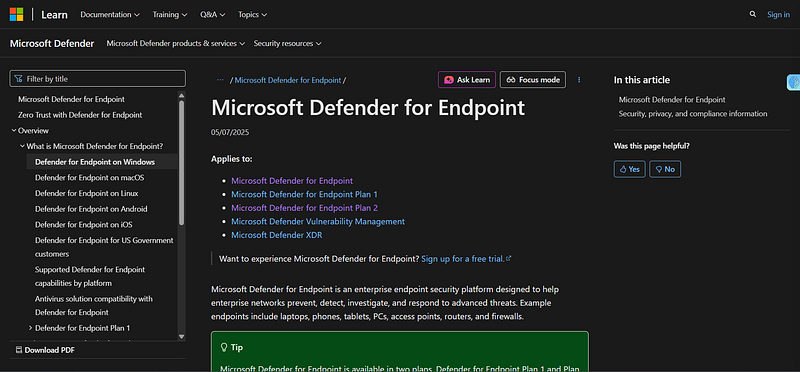
7. Microsoft Defender for Endpoint
Microsoft Defender for Endpoint integrates natively with Windows systems to provide comprehensive endpoint security for enterprises.
Key Features and Benefits:
- Native Integration with Microsoft Ecosystem: Works seamlessly with Microsoft 365 and Azure services.
- Automated Investigation and Remediation: Detects, investigates, and neutralizes threats without manual intervention.
- Strong Phishing Protection: Guards against email-based attacks and credential theft.
Defender for Endpoint is an excellent choice for businesses heavily invested in Microsoft environments seeking integrated, automated protection.
Each of these cybersecurity programs addresses specific gaps in enterprise security, from endpoints to networks to cloud platforms. Adopting one, or a combination, can drastically reduce your organization’s exposure to cyber threats.
How Cybersecurity Programs Reduce 99% of Security Gaps
Cybersecurity programs are designed to identify, prevent, and respond to threats across all layers of an organization’s IT infrastructure. By integrating advanced technologies, automated threat detection, and centralized monitoring, these programs systematically close the gaps that attackers exploit.
Proven Effectiveness
Organizations that implement comprehensive cybersecurity programs see measurable reductions in breach risks. For example:
- Endpoint protection platforms like CrowdStrike Falcon have stopped ransomware campaigns before execution, preventing data loss and operational disruption.
- Security information and event management (SIEM) systems such as IBM QRadar detect hidden insider threats that conventional monitoring often misses.
- Unified security platforms like Palo Alto Networks Cortex XDR correlate endpoint, network, and cloud data to identify complex attack patterns.
These real-world use cases demonstrate that cybersecurity programs, not only respond to threats but also proactively prevent them.
Key Mechanisms of Risk Reduction
- Threat Detection: AI and machine learning continuously analyze activity to spot suspicious behavior in real time.
- Automated Response: Security programs can contain threats automatically, reducing response times and minimizing human error.
- Compliance and Reporting: Tools like QRadar generate audit-ready reports to ensure adherence to standards such as GDPR, HIPAA, and PCI DSS.
- Centralized Visibility: Unified dashboards allow IT teams to monitor all endpoints, networks, and cloud assets, ensuring no blind spots remain.
Future-Proofing Security
Cybersecurity programs are evolving to stay ahead of increasingly sophisticated threats. Next-generation approaches include AI-driven predictive analytics, zero-trust frameworks that assume no implicit trust, and quantum-resistant encryption to protect sensitive data against emerging computational threats.
Organizations can maintain near-complete coverage against current and future attack vectors by continuously adopting these advancements.
Conclusion
Modern cybersecurity programs are not just reactive; they proactively reduce vulnerabilities across endpoints, networks, and cloud systems. By combining AI-driven detection, automated response, centralized monitoring, and regulatory compliance tools, these platforms can eliminate up to 99% of common security gaps.
Organizations that adopt and integrate these solutions position themselves to prevent breaches, detect hidden threats, and maintain resilience against evolving cyberattacks.
Ready to Streamline Compliance?
Building a secure foundation for your startup is crucial, but navigating the complexities of achieving compliance can be a hassle, especially for a small team.
SecureSlate offers a simpler solution:
- Affordable: Expensive compliance software shouldn’t be the barrier. Our affordable plans start at just $284/month.
- Focus on Your Business, Not Paperwork: Automate tedious tasks and free up your team to focus on innovation and growth.
- Gain Confidence and Credibility: Our platform guides you through the process, ensuring you meet all essential requirements and giving you peace of mind.
Disclaimer (legal note)
SecureSlate is not a law firm, and this article does not constitute or contain legal advice or create an attorney-client relationship. When determining your obligations and compliance with respect to relevant laws and regulations, you should consult a licensed attorney.
Need compliance without the complexity?
SecureSlate automates ISO 27001, SOC 2, GDPR, HIPAA, and more. Built for growing teams. See it in action.
Find compliance gaps in 30 seconds
