
The Ultimate Guide to 2025 Compliance Reporting: Tools & Best Practices
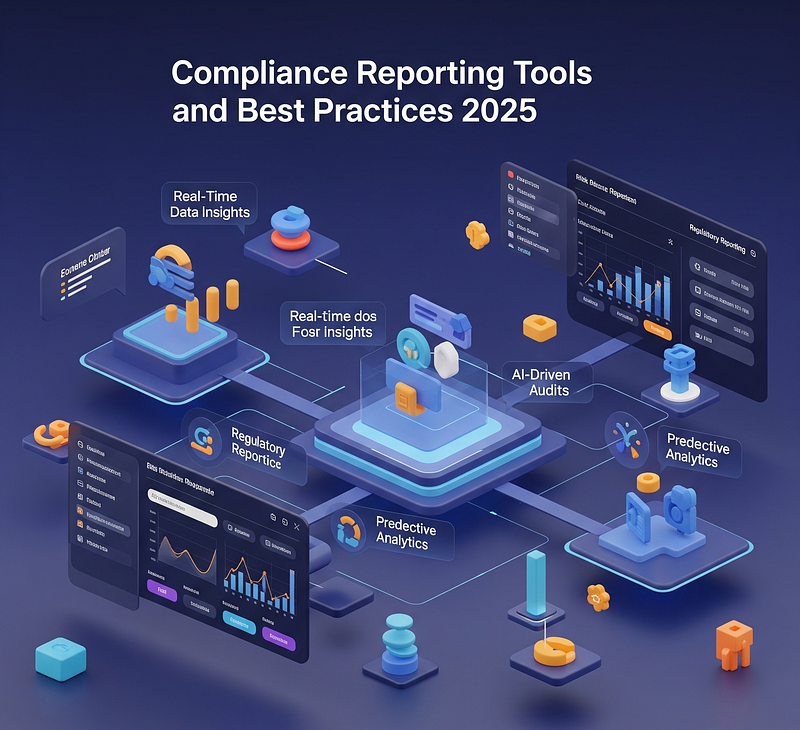 Image by Gemini
As we approach 2025, the landscape of regulations is becoming more complex than ever, with new privacy laws, financial standards, and environmental mandates emerging globally. For any organization, big or small, a clear and accurate compliance reporting process is the key to navigating this complexity, ensuring you remain legally safe, operationally sound, and trusted by stakeholders.
In this reading, we’ll explore every essential element of compliance reporting, from its core principles to the latest technologies shaping its future.
What is Compliance Reporting?
Compliance reporting refers to the process of documenting how an organization adheres to internal policies, legal regulations, and industry standards. These reports are not just a formality, but they demonstrate a company’s commitment to ethical operations, transparency, and risk management.
Why Compliance Reporting Matters
Regular and proactive compliance reporting ensures that an organization’s leadership is always aware of its standing and any potential risks. It serves as an early warning system, allowing decision-makers to stay informed about compliance gaps and potential issues before they escalate. This enables management to take corrective action in a timely manner, preventing minor issues from turning into major crises.
Furthermore, compliance reporting is a powerful tool for demonstrating accountability to a variety of stakeholders. It provides a clear, documented record of an organization’s efforts to adhere to all relevant laws and regulations. This is essential for:
- Stakeholders and investors: It shows that the company is well-managed and operating responsibly, which can build confidence and attract investment.
- Auditors and regulators: It provides the necessary evidence to demonstrate adherence to industry standards and legal requirements, streamlining audits and reducing the likelihood of a negative review.
- Customers: It reassures customers that their data and interests are being protected and handled in a trustworthy manner.
How to Choose the Best Information Security Auditor
Finding the Right Audit Partner for Your Business devsecopsai.today
So, compliance reporting transforms the abstract concept of “doing the right thing” into a tangible, measurable practice. It is not simply a box to check, but an essential component of a robust risk management strategy that protects an organization’s present and future.
Key Components of Effective Compliance Reporting
Policies and Procedures
Effective compliance reporting is built on a foundation of clear, up-to-date policies and procedures. These documents are the blueprint for your organization’s compliance efforts. They must be more than just static rules; they should be living documents that are regularly reviewed and updated to reflect current legal standards and industry expectations.
A well-defined policy outlines what is expected of employees and management, creating a consistent framework for all compliance activities. Without a clear policy, reporting becomes an exercise in guesswork, making it difficult to measure progress or identify areas of concern.
Risk Assessments
Understanding where an organization is most vulnerable is a key component of effective compliance reporting. This is achieved through comprehensive risk assessments. These are not one-time events but an ongoing process of evaluating and prioritizing potential threats. Reports should include detailed evaluations of high-risk areas such as:
- Data Security: How is sensitive information being protected? Are there potential vulnerabilities in your systems?
- Employee Behavior: Are employees following established protocols? Is there a risk of misconduct or fraud?
- Third-Party Relationships: Do your vendors and partners meet the same compliance standards as your organization?
By including these assessments in your reports, you can provide decision-makers with a clear picture of potential dangers and the actions being taken to mitigate them.
Monitoring and Auditing
It’s not enough to just have a plan; you must prove you’re following it. This is done through continuous monitoring and formal auditing. Monitoring involves ongoing activities like routine system scans, which help you catch issues early.
Auditing provides a formal check, ensuring all your compliance efforts are properly documented and verifiable. It’s how you build confidence with stakeholders and regulators.
10 Best Compliance Monitoring Tools to Ensure Regulatory Readiness
Discover the Perfect Compliance Tool to Fit Your Business devsecopsai.today
Compliance Reporting Types
Organizations generate different types of compliance reports, primarily categorized as regulatory, financial, IT, and operational. Each type serves to confirm adherence to specific mandates, though their objectives and intended recipients may vary significantly.
Regulatory Compliance Reports
These reports are designed to show an organization’s conformity with external laws and regulations. They are typically submitted to and reviewed by government agencies or industry bodies to determine the organization’s compliance status. The specific requirements for these reports can differ widely based on the industry, the applicable legal framework, and the geographical location of operations.
Financial Compliance Reports
Financial compliance reports demonstrate an organization’s adherence to financial market laws, capital market regulations, and established accounting standards. Key financial documents, such as balance sheets, cash flow statements, and income statements, are often reviewed to provide assurance regarding the organization’s financial stability and the effectiveness of its internal financial controls.
IT Compliance Reports
These reports concentrate on an organization’s commitment to information security, data privacy regulations, and robust IT governance. They typically cover critical areas like the protection of data, privacy protocols, access controls, encryption practices, and data backup procedures.
Operational Compliance Reports
Operational compliance reports document an organization’s dedication to upholding operational standards and complying with internal policies and industry-specific regulations. These reports are often used for internal assessment, focusing on aspects such as process efficiency, quality management systems, workplace safety, and supply chain integrity.
Data Privacy Reports
Data privacy reporting specifically highlights an organization’s efforts to safeguard sensitive customer information, including Personally Identifiable Information (PII). These reports demonstrate protection against various threats, such as unauthorized access, misuse for marketing purposes without consent, or any actions that could compromise data integrity.
How to Secure Data Privacy and Stop Breaches
Turn Your Privacy into a Powerful Brand Asset
How to Conduct Compliance Reporting
The process of compliance reporting is a structured approach that organizations follow to demonstrate their adherence to various laws, regulations, and internal policies. It involves several key stages, from identifying applicable rules to the final submission and ongoing refinement.
1. Identifying Requirements
The first step is to clearly understand which compliance obligations apply to the organization. This involves identifying all relevant laws, industry regulations, internal policies, and contractual agreements.
This stage requires thorough research and often involves legal and compliance experts to ensure no critical requirements are missed.
2. Data Collection
Once the requirements are known, the necessary data and documentation must be gathered. This can include financial records, operational logs, IT security reports, employee training records, audit trails, and policy adherence confirmations. Data collection often involves various departments across the organization.
3. Analysis and Assessment
With the data collected, the next step is to analyze it against the identified compliance requirements. This involves assessing whether the organization’s practices, controls, and performance align with the standards.
Any discrepancies, gaps, or non-compliance issues are identified and documented during this phase.
4. Report Preparation
Based on the analysis, the compliance report is drafted. This involves structuring the information clearly, presenting findings, outlining corrective actions taken or planned, and providing supporting evidence.
The report should be tailored to its intended audience, whether internal stakeholders, external auditors, or regulatory bodies.
5. Review and Approval
Before submission, the report undergoes a rigorous internal review process. This typically involves legal teams, senior management, and relevant department heads.
The purpose is to ensure accuracy, completeness, and that the report effectively addresses all compliance aspects. Final approval from designated authorities is crucial.
6. Submission
The completed and approved compliance report is then submitted to the relevant recipients. This could be a regulatory agency, an external auditor, a board of directors, or internal management, depending on the type of report. Adhering to submission deadlines is paramount.
7. Follow-up and Continuous Improvement
The process doesn’t end with submission. Organizations must address any findings or recommendations from auditors or regulators. This often involves implementing corrective actions, updating policies, or enhancing control mechanisms.
This final stage also includes reviewing the reporting process itself to identify areas for improvement, making it more efficient and effective for future cycles.
7 Access Control Mistakes You MUST Fix Now!
Fix These Access Control Flaws Before It’s Too Late!
Compliance Reporting Tools and Software
Compliance reporting tools and software are specialized platforms designed to help organizations streamline, automate, and manage their compliance obligations.
These solutions play a critical role in simplifying the complex process of adhering to various laws, regulations, and internal policies, ultimately reducing risks and improving efficiency.
What Compliance Reporting Tools Do
These software solutions automate many of the manual tasks associated with compliance, such as:
- Data Collection: Automatically gathering relevant data from various systems (e.g., financial, IT, HR).
- Monitoring: Continuously tracking activities and controls to identify potential compliance gaps or violations in real-time.
- Evidence Management: Centralizing and organizing documentation, audit trails, and evidence required for reports.
- Report Generation: Creating standardized or customizable reports for internal stakeholders, auditors, and regulatory bodies.
- Task Management: Assigning, tracking, and managing compliance-related tasks across different departments.
7 Best Compliance Software for SaaS Companies in 2025
Cut Compliance Time in Half! devsecopsai.today
Choosing the Right Compliance Reporting Software
When selecting compliance reporting software, organizations should consider features that enhance efficiency, accuracy, and overall compliance posture:
- Automated Monitoring and Alerts: Real-time scanning of systems and controls to detect compliance risks and trigger immediate alerts for deviations.
- Centralized Document Management: A secure repository for all compliance-related documents, policies, procedures, and evidence, with version control.
- Risk Assessment Capabilities: Tools to identify, evaluate, and prioritize compliance risks, often with built-in frameworks and risk scoring.
- Regulatory Intelligence and Updates: Integration with regulatory content providers to receive instant notifications of changes in laws and regulations across various jurisdictions.
- Customizable Reporting and Dashboards: Ability to generate tailored reports with graphical summaries and intuitive dashboards for clear visibility into compliance status and key performance indicators (KPIs).
- Audit Trail and Logs: Detailed, chronological records of all compliance activities, user actions, and system changes for transparency and accountability during audits.
- Workflow Automation: Streamlining compliance tasks, approvals, and remediation processes through automated workflows.
- Integration Capabilities: Seamless connection with existing enterprise systems (e.g., GRC platforms, HR systems, IT security tools) to consolidate data and automate cross-functional processes.
- Support for Multiple Frameworks: Compatibility with various compliance standards such as GDPR, HIPAA, SOC 2, ISO 27001, PCI DSS, and industry-specific regulations.
- User-Friendly Interface: An intuitive and easy-to-navigate interface to promote widespread adoption across the organization.
The market offers a wide range of compliance reporting tools, some of which are SecureSlate, Sprinto, Vanta, Drata, Netwrix, AuditBoard, Onspring, Hyperproof, etc.
By leveraging these tools, organizations can transform their compliance efforts from a burdensome, manual process into an efficient, proactive, and strategic function.
Best Practices for Compliance Reporting
To maximize the efficacy of compliance reporting, organizations should adhere to the following best practices:
Clarity and Conciseness
Compliance reports are often disseminated to diverse stakeholders, including those without specialized compliance expertise. Therefore, it is imperative to eschew technical jargon and employ clear, accessible language.
The utilization of bullet points, tabular formats, and visual aids such as charts and graphs is highly recommended to present complex information in a digestible manner. This approach ensures that critical insights are readily comprehended and actionable.
Scheduled and Consistent Updates
Compliance is an iterative process, necessitating continuous reporting. Establishing and rigorously adhering to predefined reporting intervals, whether monthly, quarterly, or as mandated by specific regulatory requirements, is fundamental.
Regular updates furnish decision-makers with timely insights into the organization’s compliance posture, facilitating proactive risk mitigation and fostering a culture of continuous improvement.
Infrequent reporting can lead to the undetected escalation of minor issues into significant liabilities.
What Nobody Tells You About Compliance Automation Tools
The Secret Hacks for Compliance devsecopsai.today
Automation and System Integration
Manual data aggregation and report generation processes are inherently susceptible to errors and demand substantial resource allocation. Leveraging dedicated compliance reporting tools and software to automate these functions is a strategic imperative.
Furthermore, integrating these tools with existing enterprise systems, such as Enterprise Resource Planning (ERP) and Human Resources (HR) platforms, is crucial.
This seamless integration optimizes data entry, minimizes manual intervention, enhances data accuracy, and ensures that all reports are founded upon the most current and reliable information available.
Common Challenges in Compliance Reporting
Despite the benefits of effective compliance reporting, organizations frequently encounter several challenges:
Data Accuracy
A foundational challenge lies in ensuring the accuracy and completeness of the data underpinning compliance reports. Human error, inconsistencies across disparate data sources, or incomplete data sets can significantly compromise the validity and reliability of a report.
Implementing automated data collection mechanisms and robust data validation processes is essential to mitigate these risks and ensure the integrity of reported information.
Regulatory Changes
The regulatory landscape is dynamic and subject to frequent evolution. Laws, industry standards, and compliance frameworks are continuously updated, requiring organizations to adapt their reporting practices accordingly.
Failure to reflect the latest requirements can lead to non-compliance. To address this, organizations should proactively utilize regulatory subscription services, legal alerts, and dedicated compliance intelligence platforms to stay informed of changes and adjust their reporting protocols promptly.
Resource Constraints
Smaller organizations or those with limited budgets often face significant resource constraints when it comes to compliance reporting. The preparation of comprehensive and accurate reports can be highly demanding, requiring specialized knowledge, dedicated personnel, and considerable time.
To alleviate these pressures, organizations may consider strategic options such as outsourcing specific reporting functions to third-party experts or investing in compliance tools that automate and simplify many of the laborious tasks, thereby optimizing existing resources.
Third-Party Vendor Management: Best Practices for Every Business
Excel your third-party vendor management game!
Automating Compliance Reporting with SecureSlate
SecureSlate represents a modern solution designed to address many of the challenges inherent in compliance reporting by leveraging automation and intelligent features. SecureSlate aims to simplify the complex landscape of regulatory adherence, enabling organizations to maintain continuous compliance with greater efficiency and accuracy.
By centralizing compliance activities, SecureSlate can help mitigate issues related to data accuracy through automated data collection and validation. Its capabilities likely include real-time monitoring and alerts, ensuring that organizations are promptly informed of any deviations from compliance standards.
Furthermore, by providing up-to-date regulatory intelligence, such platforms assist organizations in navigating the dynamic nature of regulatory changes, ensuring reports reflect the latest requirements.
For organizations facing resource constraints, SecureSlate’s automation features reduce the manual effort involved in report preparation, allowing teams to focus on strategic compliance initiatives rather than laborious administrative tasks.
This comprehensive approach aligns with best practices by promoting clarity, consistency, and integration within the compliance reporting framework.
Conclusion
Compliance reporting is no longer just a regulatory measure; it’s a strategic asset. Done right, it protects your organization, builds stakeholder trust, and creates a foundation for continuous improvement.
By understanding the nuances of compliance requirements, embracing the right tools, and adopting best practices, your organization can remain audit-ready and future-proof.
Whether you operate in finance, healthcare, education, or tech, compliance reporting is your gateway to transparency, accountability, and long-term success.
Ready to Streamline Compliance?
Building a secure foundation for your startup is crucial, but navigating the complexities of achieving compliance can be a hassle, especially for a small team.
SecureSlate offers a simpler solution:
- Affordable: Expensive compliance software shouldn’t be the barrier. Our affordable plans start at just $259/month.
- Focus on Your Business, Not Paperwork: Automate tedious tasks and free up your team to focus on innovation and growth.
- Gain Confidence and Credibility: Our platform guides you through the process, ensuring you meet all essential requirements, and giving you peace of mind.
Need compliance without the complexity?
SecureSlate automates ISO 27001, SOC 2, GDPR, HIPAA, and more. Built for growing teams. See it in action.
No credit card required
If you're interested in leveraging Compliance with AI to control compliance, please reach out to our team to get started with a SecureSlate trial.
Dec 8, 2025 · HIPAA
Cybersecurity Compliance: The One Gap That’s Putting Your Entire Business at Risk
SecureSlate Team
Dec 5, 2025 · HIPAA
HIPAA Enforcement Rule for Business Associates: Are You Meeting the Standards?
SecureSlate Team
Dec 4, 2025 · HIPAA
Top 5 HIPAA Compliance Training Requirements for Covered Entities
SecureSlate Team