
Password Security in 2026: Why It’s More Important Than Ever
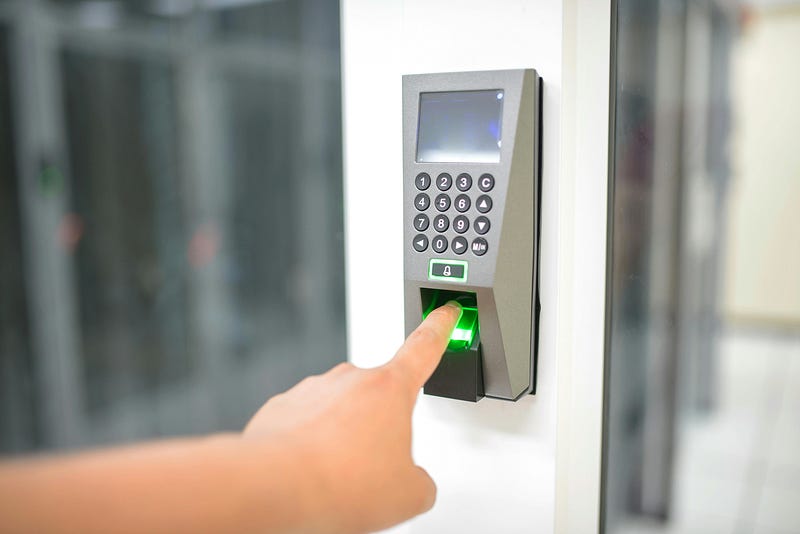 Image from pexels.com
It’s 2026, and we’ve got AI writing code, cars driving themselves, and facial recognition unlocking everything from phones to fridges. So why are we still talking about password security?
Despite all the technological advances, passwords remain the most common and most compromised form of authentication. They are still the keys to our digital kingdoms, and most people are still leaving the door unlocked.
This article will explore why strong password security is more critical now than ever before and provide actionable tips to protect your digital life from modern cyber threats.
The Evolution of Modern Cyber Threats
The landscape of cyber threats has transformed dramatically. Attackers are no longer using outdated, manual methods; they are leveraging advanced technologies to compromise your accounts.
From Brute Force to AI-Powered Cracking
Gone are the days when attackers tried millions of combinations manually. In 2026, AI-driven password cracking tools can guess weak passwords in seconds by leveraging vast datasets of leaked information and sophisticated language models.
These tools don’t just guess common words; they predict passwords based on patterns, personal data, and contextual clues. If your password is “Winter2024!”, a common and predictable choice, it is a low-hanging fruit for these powerful AI systems.
Phishing and Social Engineering in 2026
Hackers have become masters of deception. Instead of breaking in, they trick you into handing over the keys. Sophisticated phishing scams now use personalized emails, deepfakes, and social media context to fool even the most cautious users.
Imagine receiving a perfectly crafted email from your “bank” or “CEO” that sounds authentic. These scams are designed to bypass technical defenses by exploiting the human element, making vigilance and a keen eye for detail crucial for password security.
Credential Stuffing at Scale
The widespread reuse of passwords is a massive vulnerability. When one service suffers a data breach, attackers use those stolen login credentials to “stuff” them into dozens of other platforms. This automated process, known as credential stuffing, is a primary cause of account takeovers.
If you reuse the same password for your social media and your financial accounts, a breach on a minor website could compromise your entire digital footprint without you ever knowing.
The Ultimate Guide to Data Security Solutions
Protecting Your Digital Assets in 2026 and Beyond
Why Passwords Are Still Relevant for Digital Security
While passwordless solutions are on the horizon, passwords remain a foundational element of digital security. Ignoring their importance today is a significant mistake.
Biometrics Aren’t Foolproof
Biometric authentication, such as fingerprint or facial recognition, offers convenience but comes with its risks. Unlike a password, your biometrics are unique and cannot be changed if compromised.
If your biometric data is leaked from a company’s database, that vulnerability is permanent. Furthermore, biometric sensors can fail due to technical issues, injuries, or environmental factors.
Passkeys Are Promising, But Not Yet Universal
Passkeys, a passwordless solution using device-based cryptography, are a promising step forward. However, adoption is still fragmented. Many older applications and services have not integrated this technology, and the user experience can vary.
For the foreseeable future, passkeys and passwords will coexist, requiring you to maintain strong password hygiene.
Passwords Are the Default for 80% of Applications
The reality is that until every app and system supports advanced authentication methods, you will still need a strong password for critical services like email, SaaS tools, cloud platforms, and banking apps.
It is the de facto standard, and you must treat it with the seriousness it deserves.
What Makes a Password Secure?
A secure password is your first line of defense against cyber threats. It’s not just about adding a special character or a number, it’s about creating a unique digital key that is nearly impossible for hackers to guess or crack. The strongest passwords are those that combine length, unpredictability, and uniqueness.
Length is Your Best Defense
When it comes to passwords, the length of the password matters most. Every additional character exponentially increases the number of possible combinations, making it much harder for automated tools to crack. A password that is 14 characters or longer is significantly more secure than one that is only 8 characters, even if they have the same mix of letters, numbers, and symbols.
Avoid Personal Information
Never use personal details that can be found online or guessed easily. This includes birthdays, pet names, family names, or favorite teams. Hackers can use social engineering and open-source intelligence to gather this information, making your password an open door.
Choose Unpredictable Combinations
Sophisticated hacking tools are designed to guess common words, phrases, and simple substitutions. That’s why a phrase like “correct-horse-battery-staple” is often more secure than a short, complex password like “P@55w0rd!”. The longer, unpredictable combination of unrelated words is harder for these tools to guess than a short password with predictable complexity.
Skip Common Patterns
Avoid using predictable patterns like keyboard sequences (“qwerty”), number sequences (“12345”), or simple substitutions (like replacing ‘o’ with ‘0’ or ‘a’ with ‘@’). These are the first things a hacker’s program will check, rendering your password instantly vulnerable.
Use a Unique Password for Every Account
This is a non-negotiable rule of digital security. Reusing passwords creates a dangerous domino effect: if a single service is breached, every other account that shares that password becomes instantly vulnerable. Using a different password for each account limits potential damage and prevents a single breach from compromising your entire digital life.
For most people, the easiest way to manage this is by using a password manager to generate and securely store unique, complex passwords for all your online accounts.
Password Policy Best Practices for 2026: Stay Secure and Compliant
Stop 80% of Breaches with Smart Password Policy
How to Strengthen Your Password Security in 2026
Improving your password security doesn’t have to be complicated. These steps will provide a robust defense against most modern threats.
Password Managers Are Non-Negotiable
Using a password manager is the single most effective action you can take. Tools like 1Password , Bitwarden , and Dashlane generate and store unique, complex passwords for every single account.
This eliminates the need to remember dozens of different passwords and prevents the risk of password reuse.
Multi-Factor Authentication (MFA) is a Must
MFA adds a critical second layer of defense. By requiring a second factor, such as a code from an app or a biometric check, you ensure that even if a hacker steals your password, they cannot access your account.
MFA is like a deadbolt on your digital door and is the best way to prevent a compromised password from leading to a data breach.
Create Long Passphrases Instead of Passwords
Instead of a short, complex password like “P@ssw0rd!”, create a long, memorable passphrase such as “GiraffeTwistsPurpleRain$2026.”
Passphrases are much harder for AI-powered tools to crack because they don’t follow predictable patterns, while still being easy for you to remember.
Advanced Password Security for Proactive Users
For those who want to go beyond the basics, these techniques offer enhanced protection:
- FIDO2 and Passkeys: These use public-private key cryptography to authenticate without sharing a password. Your device acts as your authenticator, making the process both secure and convenient.
- AI-Powered Alerts: Modern password managers are now equipped with AI that scans breach databases and alerts you immediately if your credentials have been compromised, allowing you to change your password before it can be used maliciously.
The Real-World Costs of Poor Password Practices
The consequences of weak password security are severe and widespread.
- Breach Statistics: According to recent cybersecurity reports, over 82% of data breaches in 2024 involved stolen or weak passwords. This statistic underscores the direct link between poor password hygiene and security incidents.
- Ransomware and Credential Theft: Many ransomware attacks begin with a single compromised login. Hackers use a weak password to gain a foothold in a network, escalate their privileges, and then deploy ransomware, costing businesses millions in recovery fees and downtime.
- SMBs and Startups Hit Hardest: While large corporations have extensive security teams, small and medium-sized businesses (SMBs) are often the primary targets. A single security incident caused by a weak password can have devastating financial consequences for a growing startup.
Network Security Measures You Need to Stop Cyber Threats
Stay ahead. Stay secure. Stay online.
Conclusion
Passwords aren’t dead; they’re just evolving, and they are still critical to your digital safety in 2026. Whether you are an individual user, a startup founder, or an IT professional, prioritizing password security is non-negotiable.
Until a truly universal passwordless solution is in place, the responsibility for your digital security lies with you. Implement a password manager, enable MFA on all your accounts, and start creating strong, unique passphrases. The hackers are already ahead; don’t make it easy for them.
Ready to Streamline Compliance?
Building a secure foundation for your startup is crucial, but navigating the complexities of achieving compliance can be a hassle, especially for a small team.
SecureSlate offers a simpler solution:
- Affordable: Expensive compliance software shouldn’t be the barrier. Our affordable plans start at just $259/month.
- Focus on Your Business, Not Paperwork: Automate tedious tasks and free up your team to focus on innovation and growth.
- Gain Confidence and Credibility: Our platform guides you through the process, ensuring you meet all essential requirements, and giving you peace of mind.
Need compliance without the complexity?
SecureSlate automates ISO 27001, SOC 2, GDPR, HIPAA, and more. Built for growing teams. See it in action.
No credit card required
Apr 3, 2026 · HIPAA
Top 10 Must-Follow Steps in Our HITRUST Compliance Checklist!
SecureSlate Team
Apr 2, 2026 · HIPAA
Top 10 Mistakes That Could Cost You Millions in HIPAA Fines — #7 Will Surprise You!
SecureSlate Team
Apr 1, 2026 · HIPAA
Beyond HIPAA: Mastering the Modern Healthcare Cybersecurity Framework for True Compliance
SecureSlate Team