GDPR compliance

Get GDPR compliant without building a privacy team first.

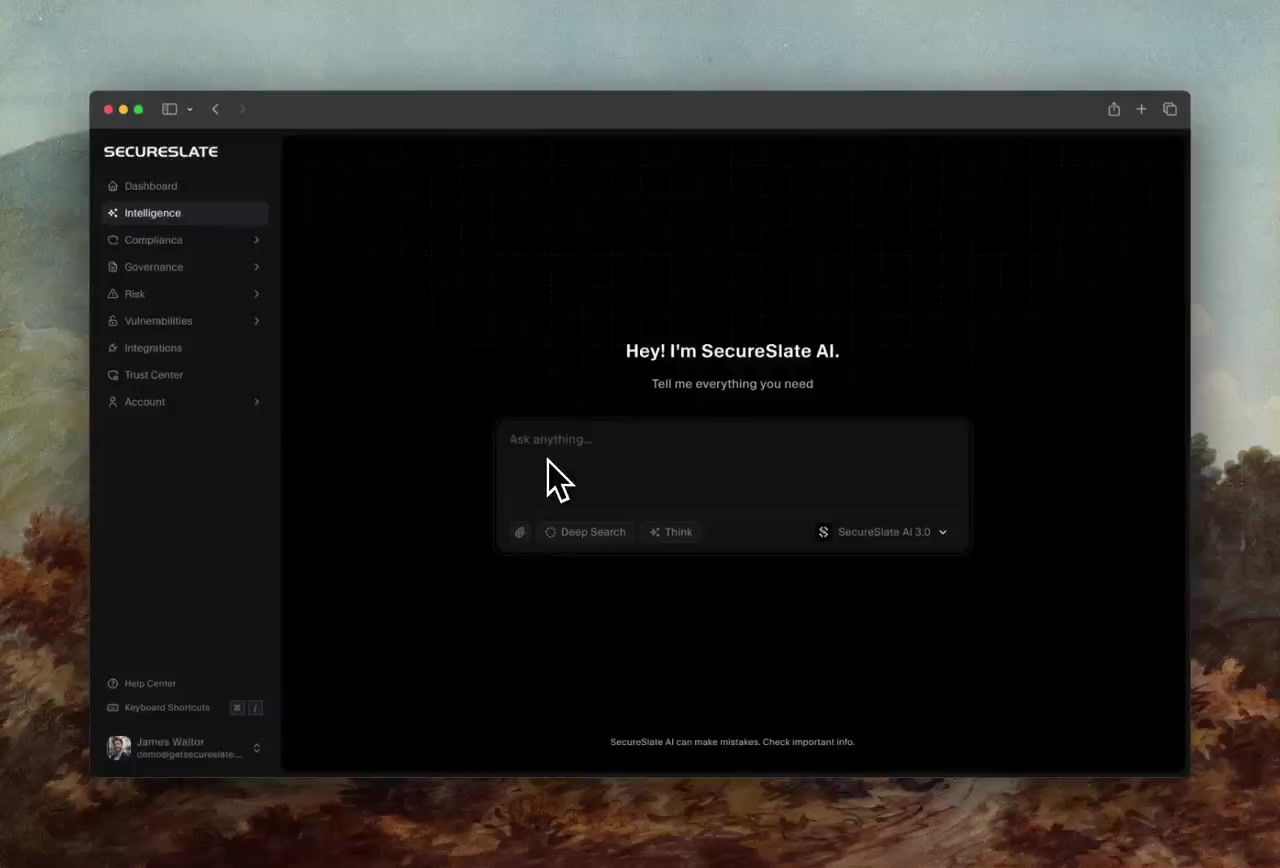
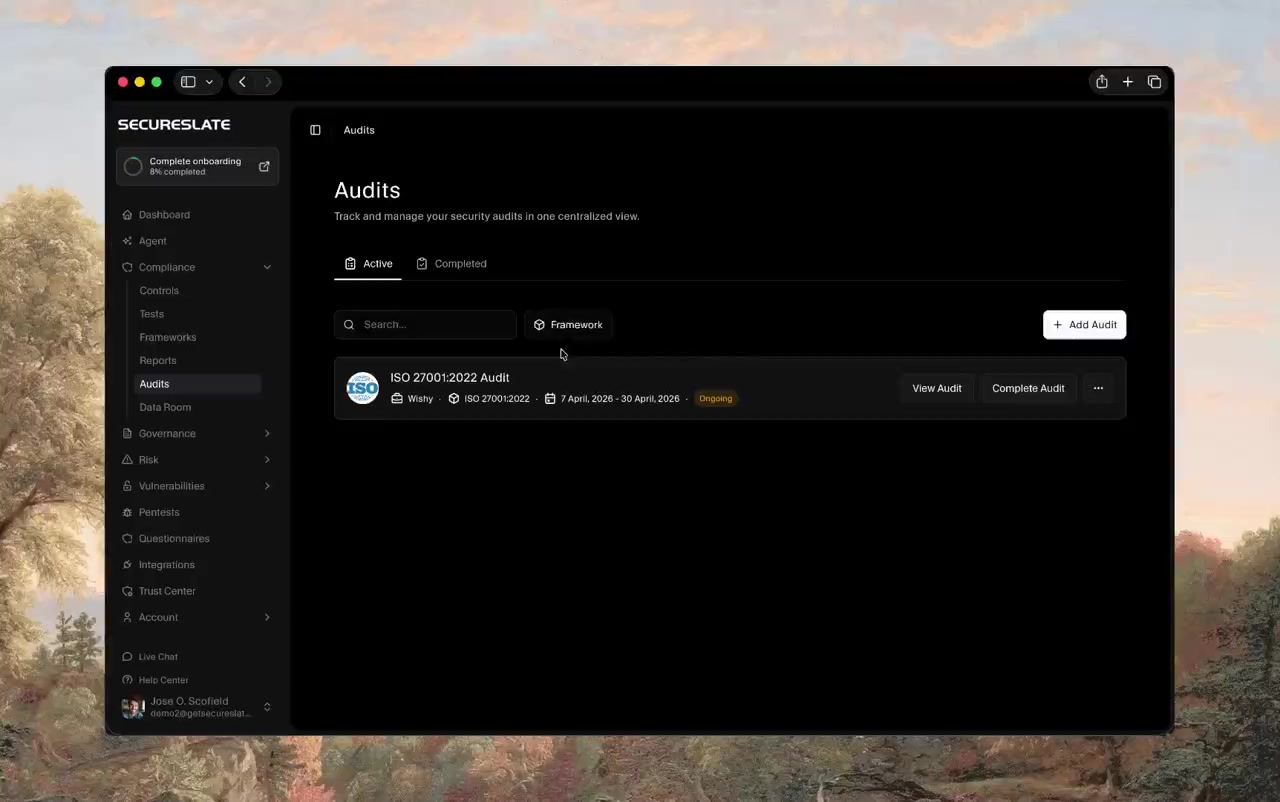
GDPR applies to any company that offers services to people in the EU or monitors their behavior there, wherever it is based. A dedicated SecureSlate compliance lead maps your personal data, builds your records of processing, runs DPIAs, and puts processor agreements in place, while our compliance automation platform keeps the security evidence current. One fixed price covers the work.

GDPR Chapters II to V46 articles

GDPR Chapters II to V: 46 articles, 7 Principles, 12 Rights of the data subject, 20 Controller and processor, 7 International transfers. 3 highlighted: Evidenced by included security scanning.

Evidenced by included security scanningScoped with your compliance lead
Maximum fine
Up to €20 million or 4% of global turnover
Breach notification
72 hours to the supervisory authority
Applies to
Organizations in the EU or serving people there
The standard

GDPR compliance is accountability you can demonstrate, not a badge on your website.

The GDPR is an EU regulation with reach far beyond the EU. It sets principles for how personal data is handled and requires you to show, on request, how you meet them.

Principles, rights, and obligations

Chapter II sets the principles and lawful bases, Chapter III the rights of data subjects, Chapter IV the obligations of controllers and processors, and Chapter V the rules for transfers outside the EU. Most of a company's work sits in those four chapters.

Accountability means records

Article 5(2) makes you responsible for demonstrating compliance. In practice that means records of processing activities, DPIAs where processing is high risk, processor agreements, and documented decisions an authority or customer can review.

Controller or processor changes the obligations

Controllers decide why and how personal data is processed. Processors act on their instructions, which describes most B2B SaaS handling customer data. Both carry security and breach duties, and processing on someone's behalf needs a written agreement under Article 28.
How it works

We build your GDPR program so privacy stops blocking deals.

Four stages from the scoping call to a program you can demonstrate, with a named compliance lead accountable at every one.

Map personal data and your role

We trace what personal data you collect, why, where it is stored, who it is shared with, and where it leaves the EU, and decide whether you act as controller, processor, or both for each activity.

Build the accountability records

Your compliance lead writes records of processing activities, documents a lawful basis for each purpose, and runs data protection impact assessments where processing is likely to be high risk.

Put rights, contracts, and security in place

Data subject request handling, privacy notices, processor and subprocessor agreements, transfer mechanisms such as standard contractual clauses, and the technical and organizational measures Article 32 expects.

Keep it current as your product changes

New features, vendors, and markets change your processing. We update records and DPIAs as they do, rehearse breach response against the 72-hour clock, and extend the program into ISO 27001 or ISO 27701 when buyers want independent proof.
What is included

Everything a GDPR review asks for, prepared before they ask.

GDPR compliance software and the expert who runs it arrive together under one fixed price, so privacy work does not land on your engineers.

A dedicated compliance lead

One experienced practitioner owns your GDPR program end to end. They map personal data, write the records and DPIAs, answer the privacy sections of customer questionnaires, and keep the documentation current, so your team approves instead of interpreting the regulation.

Records of processing and DPIAs

Records of processing activities under Article 30 and data protection impact assessments under Article 35, drafted by us, approved by you, and updated as your processing changes.

Processor agreements and subprocessors
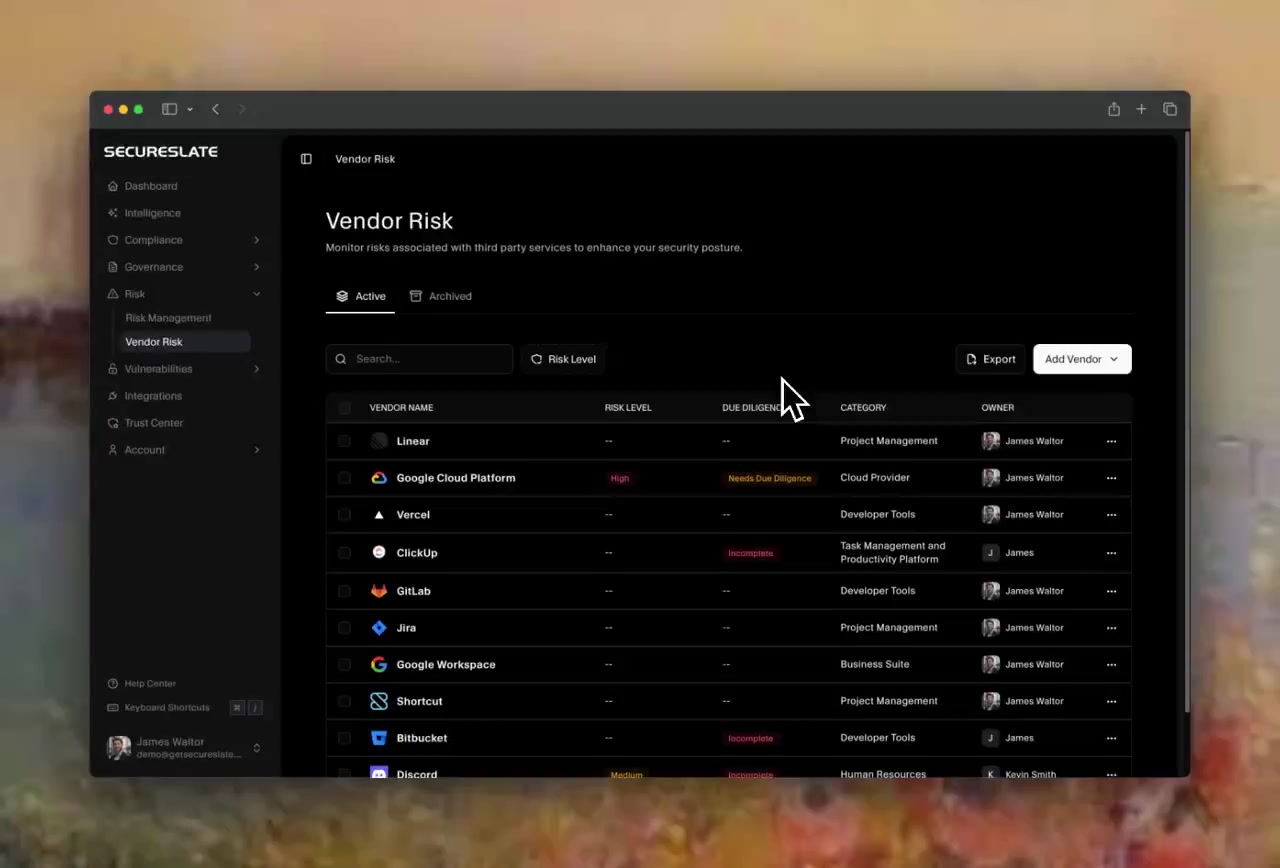
Article 28 agreements with your customers and your own subprocessors, vendor due diligence, and a current subprocessor list, so a new tool never starts processing personal data unreviewed.

Evidence from the stack you already run
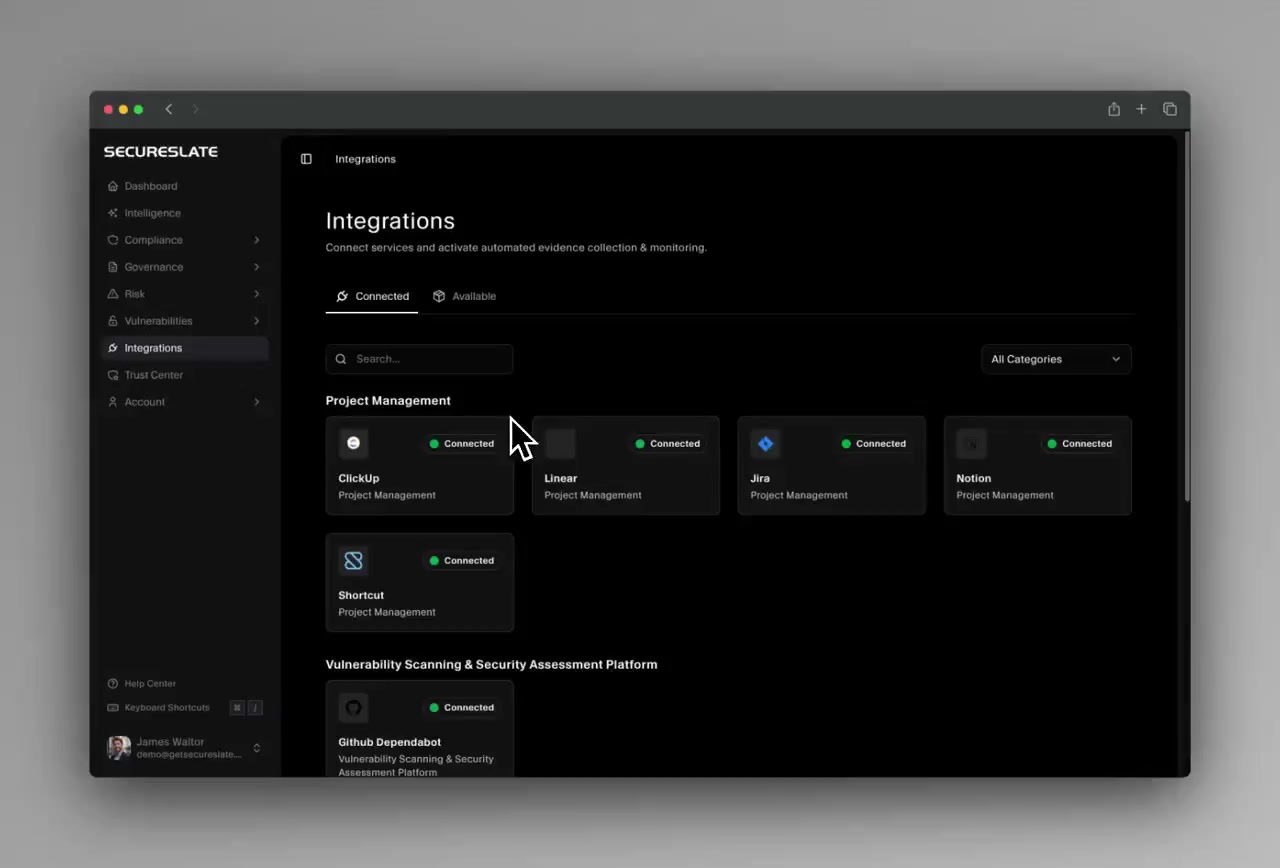
Connect your cloud provider, identity provider, code host, and devices once. Access, encryption, and logging settings are tested continuously, which is the security of processing evidence Article 32 calls for.

Training and access reviews

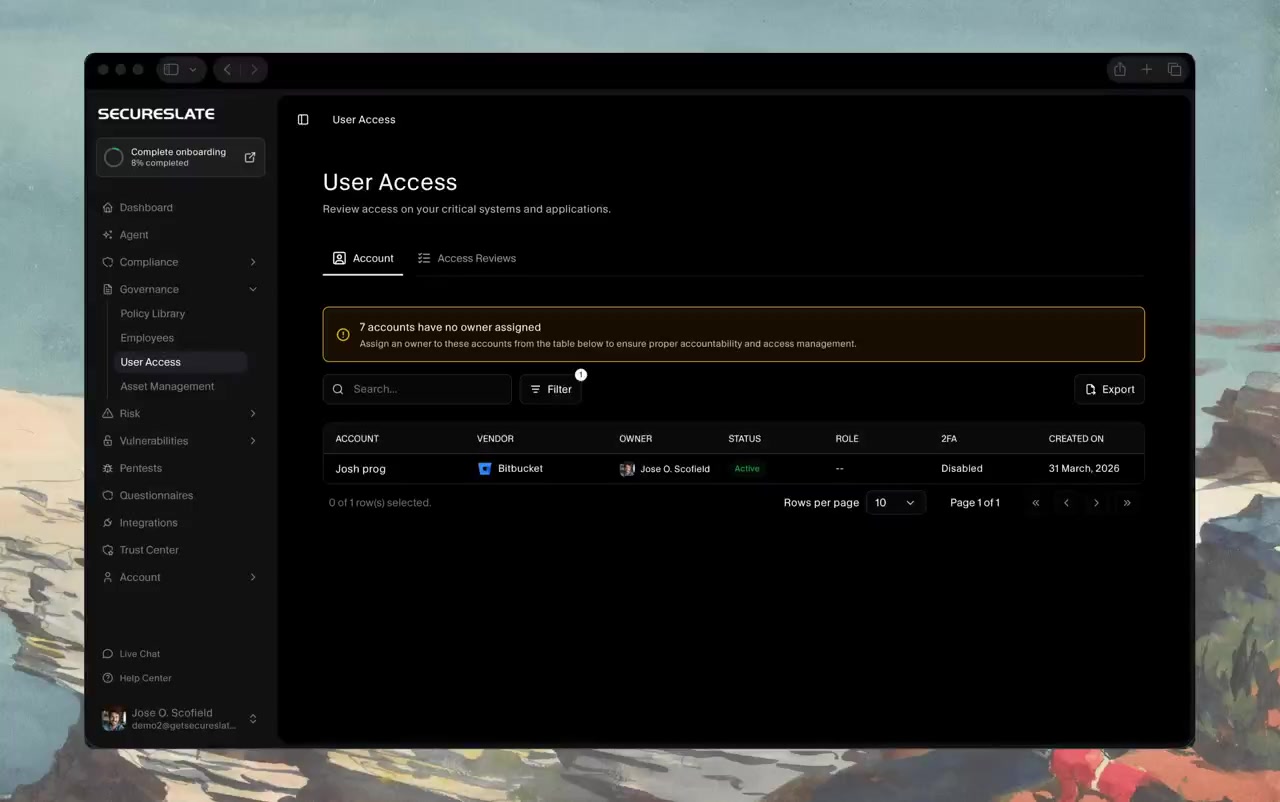
Privacy and security awareness training, access reviews for systems holding personal data, and device checks run on a schedule and are tracked for you, with evidence you can show.

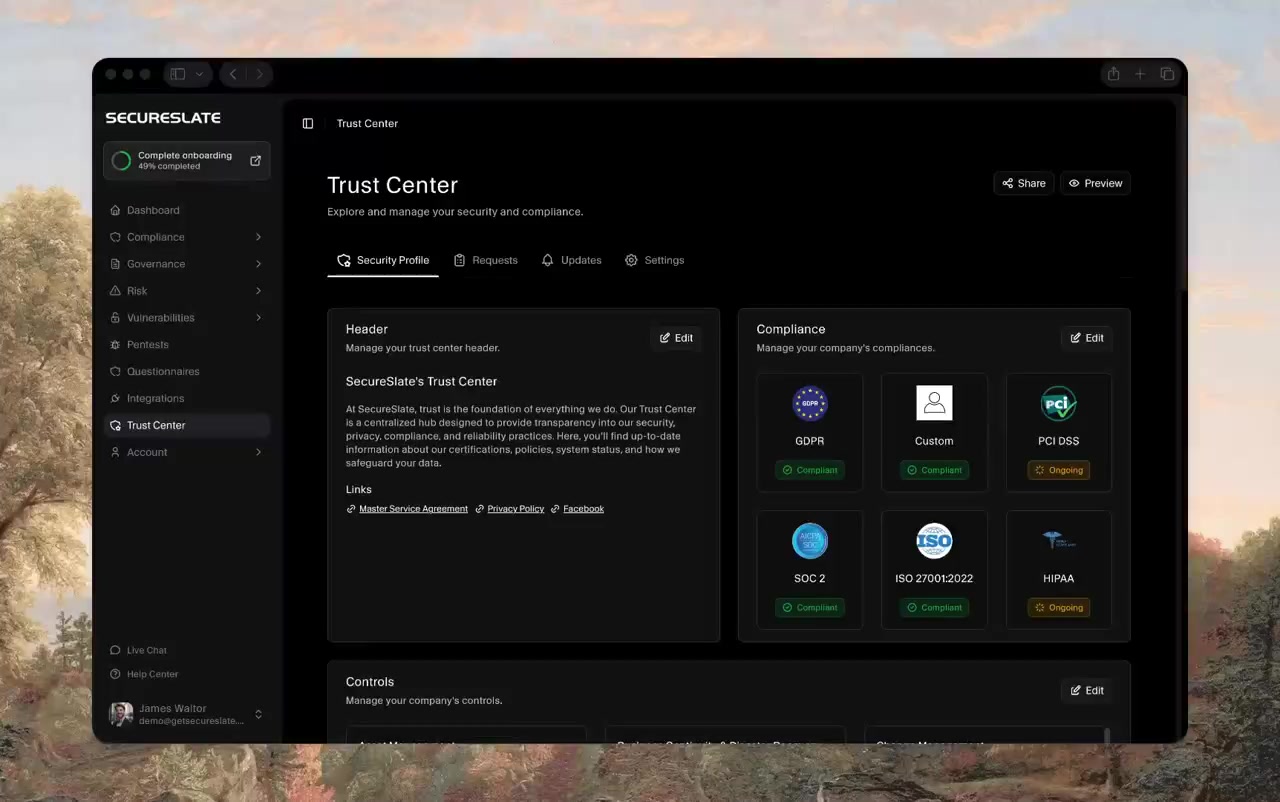
A Trust Center for privacy questions

Publish your privacy notice, subprocessor list, and security posture on a live page, so customers answer their GDPR due diligence questions before they send a questionnaire.
Article 32 evidence

Several GDPR requirements need evidence from your code and cloud, not a policy.

Security of processing and data protection by design are judged against what actually runs. Security scanning is part of the engagement, so the evidence comes from your real repositories, domains, and cloud accounts.
Art. 25(1), Art. 32(1)(d)

Code security scanning

Repositories scanned for vulnerable code, with findings ranked by severity and traced to the line, showing data protection is built into development and security is tested regularly.
Art. 32(1)(b)

Secrets detection

API keys, tokens, and credentials committed to source code, found and pinpointed to the file and line, so access to systems holding personal data stays confidential.
Art. 32(1)(d)

Dependency and license risk

An SBOM for every repository, with vulnerable open source components flagged, so the software that processes personal data is assessed on a regular basis.
Art. 32(1)(d)

Public surface monitoring

Your domains and forgotten subdomains scanned on a schedule and when you ship, with each finding explained and a fix recommended, as a record of regular security testing.
Art. 32(1)(b), Art. 33

Dark web monitoring

Company email addresses checked against known breach data, so exposed credentials are found early and assessed against your 72-hour breach notification process.
Art. 32(1)(a), Art. 32(1)(b)

Cloud misconfiguration checks

AWS, Azure, and GCP configurations checked through read-only access for risky settings in encryption, access, logging, and networking where personal data is stored.
Beyond GDPR

One program, several frameworks.

GDPR work overlaps with the standards privacy-conscious buyers ask for next, so each new framework extends the program instead of starting a new one.

ISO 27001

The certificate European buyers expect. It gives Article 32 security a management system and an independent audit behind it.

ISO 27701

A privacy information management standard that maps closely onto GDPR, for buyers who want certified assurance on how you manage privacy.

SOC 2

US buyers ask for a SOC 2 report, and its Privacy and Confidentiality criteria reuse much of your GDPR work.

CCPA

California's privacy law shares the GDPR's rights-based approach, with its own definitions, opt-outs, and notice requirements.

HIPAA

Health data about people in the EU is special category data under GDPR, and in the US the same data may also be PHI under HIPAA.

NIS 2 and DORA

EU security laws for essential entities and financial services, which add their own incident reporting and third-party risk requirements alongside GDPR.
Customer results

GDPR results from SecureSlate customers

Teams expanding in Europe that needed privacy to stop blocking partner and enterprise deals.

3 months
Muse reached GDPR compliance across its European markets, with compliance tasks down from days to hours
Faster audit readiness for a tech service provider running ISO 27001 and GDPR together

We needed GDPR to scale across Europe without burning the product team. SecureSlate cut compliance turnaround from days to hours, and privacy stopped blocking deals.

Johnathon
Johnathon Founder at Muse
Resources

Read up before your scoping call.

Practical guides to GDPR, from who it applies to what a compliant program includes.

FAQs

What teams ask before starting GDPR compliance.

Find out what your GDPR program will take

Bring the personal data you process and the buyer asking about it. You will leave the call with a gap summary, a timeline, and a fixed price, whether or not you work with us.

Jamie
Virtual Agent

Hi! I'm Jamie. Curious about your current compliance challenges and how automation might help your team?