ISO 9001 certification

Get ISO 9001 certified without hiring a quality team first.

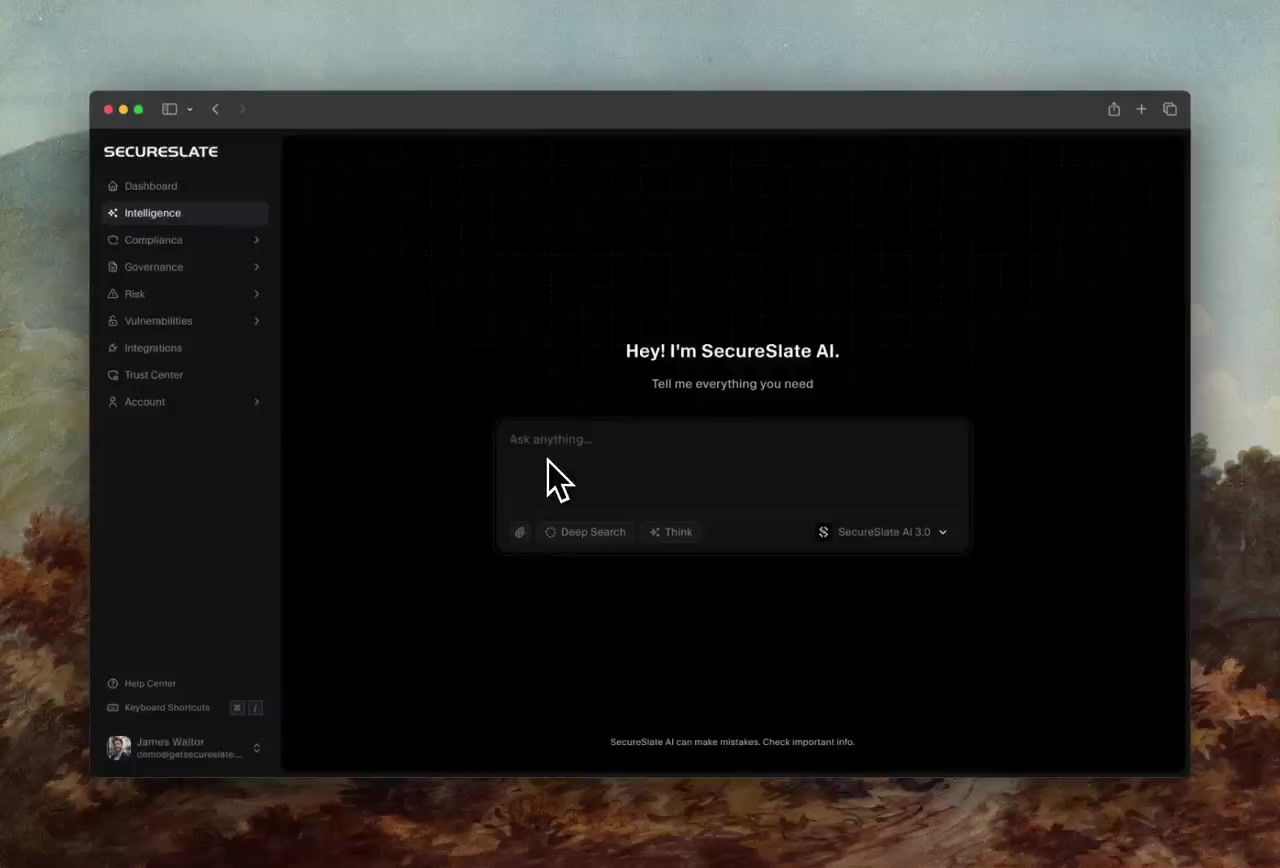
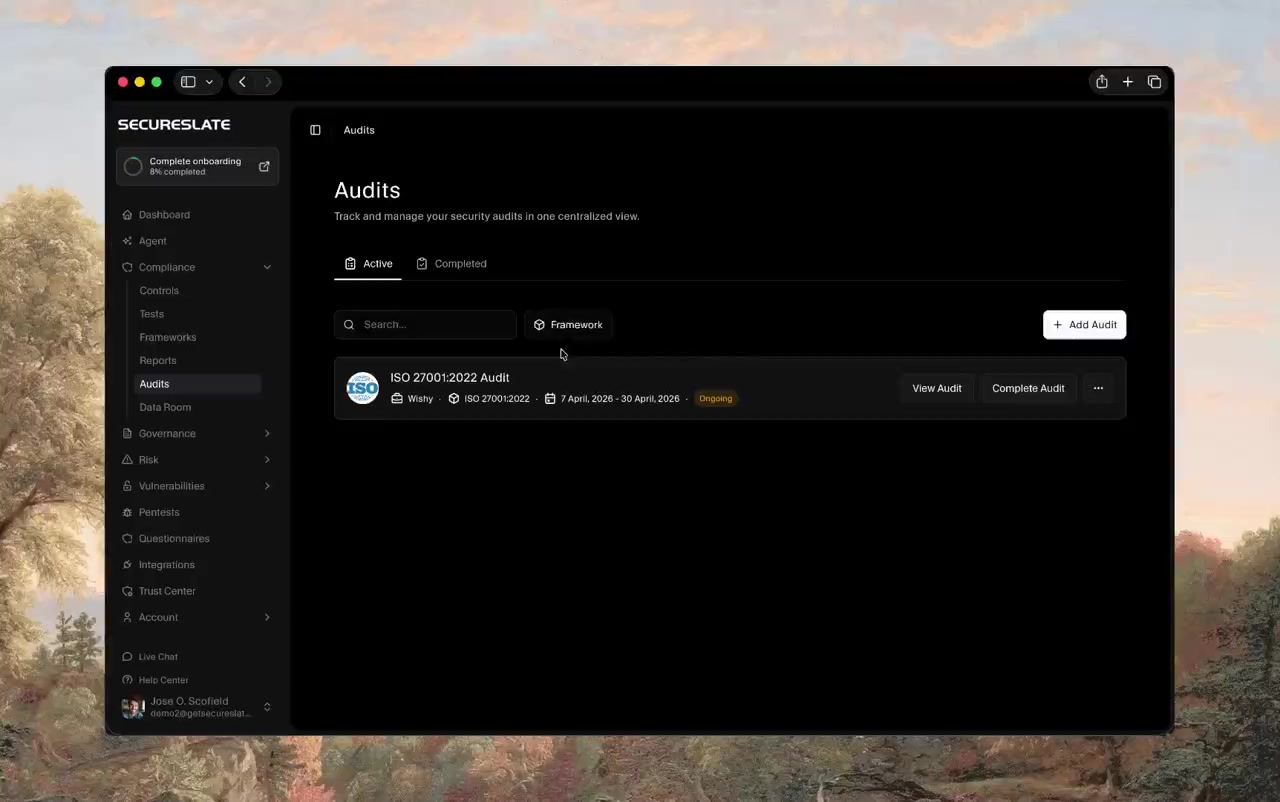
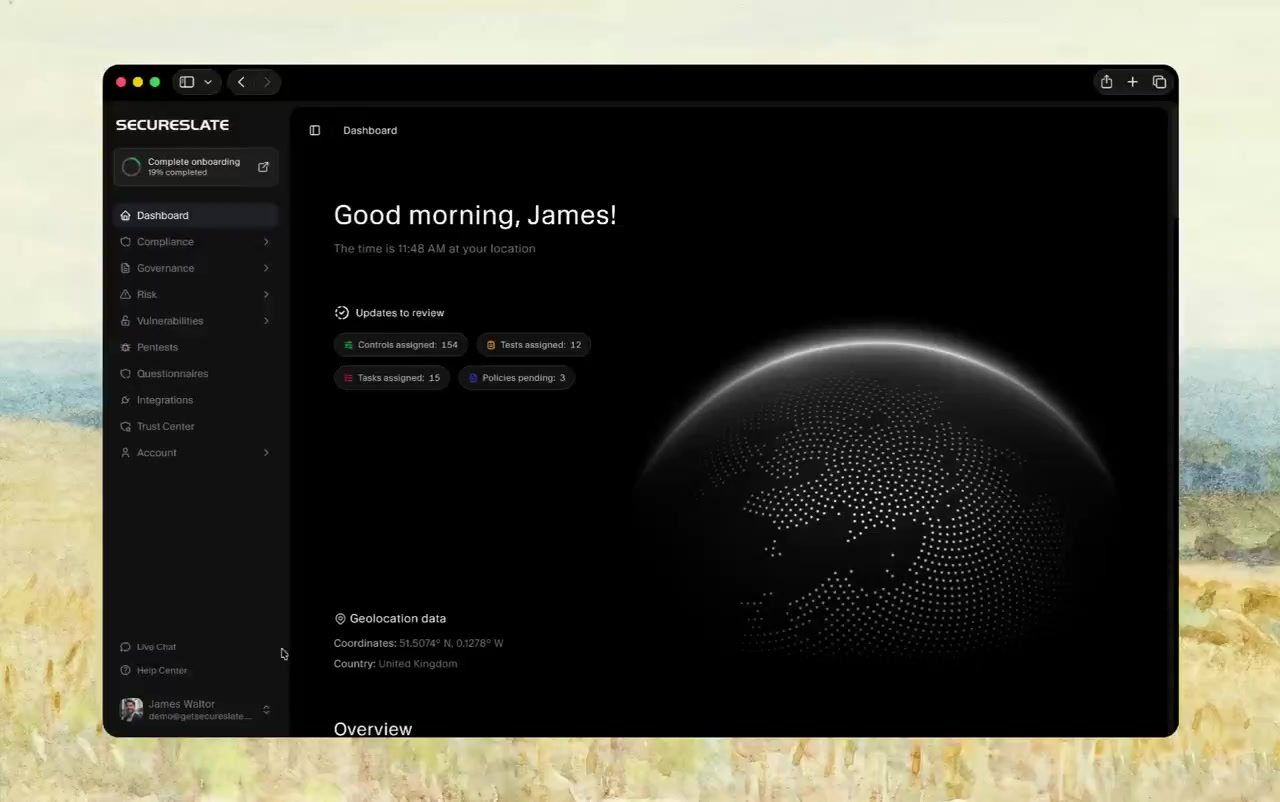
ISO 9001 is the quality management standard procurement teams recognize in almost every industry. A dedicated SecureSlate compliance lead scopes your quality management system, maps the way you really deliver to clauses 4 to 10, and prepares you for the certification audit, while our compliance automation platform keeps policies, evidence, and corrective actions in one place. One fixed price covers the work.

ISO 9001:201528 subclauses

ISO 9001:2015: 28 subclauses, 4 Context of the organization, 3 Leadership, 3 Planning, 5 Support, 7 Operation, 3 Performance evaluation, 3 Improvement. 6 highlighted: Head start from an ISO 27001 program.

Head start from an ISO 27001 programQuality-specific, built with your compliance lead
Current version
ISO 9001:2015, amended in 2024
Certificate
Valid for 3 years, audited every year
Shares its structure with
ISO 27001, ISO 42001, ISO 14001
The standard

ISO 9001 certification audits how you deliver quality, not whether you wrote a quality manual.

ISO 9001:2015 sets the requirements for a quality management system that any organization can apply, from manufacturers to software companies. It defines what the system must achieve, not how to build your product.

A quality management system that actually runs

Clauses 4 to 10 define the QMS: its scope and processes, leadership and a quality policy, risks and quality objectives, resources and documented information, operational control, internal audit, management review, and corrective action. The 2015 version dropped the mandatory quality manual, so auditors look for records that show the system operates.

28 subclauses and no Annex A

Unlike ISO 27001, there is no control annex, so the clauses themselves are the audit. Clause 8, Operation, usually carries the most work: customer requirements, design and development, suppliers, release, and nonconforming outputs. A requirement that cannot apply to you is justified in your scope.

Customer focus and risk-based thinking

You determine what customers and other interested parties require, address the risks and opportunities that could affect conformity, and monitor customer satisfaction. The 2024 amendment also asks you to decide whether climate change is a relevant issue for your QMS.
How it works

We build your quality management system with you, then keep it running between ISO 9001 audits.

Four stages from the scoping call to a certificate, with a named compliance lead accountable at every one.

Scope the QMS and map your processes

We agree the products, services, teams, and sites in scope, then map the processes that decide quality, such as requirements, releases, onboarding, support, and supplier management, with an owner, inputs, outputs, and measures for each.

Run the gap assessment

Your compliance lead compares how you work today with clauses 4 to 10 and separates missing processes from ones that run but leave no evidence. Every gap gets an owner and a date, so the plan is clear before remediation starts.

Build on what you already run

Document control, competence records, supplier reviews, internal audit, management review, and corrective action carry over from ISO 27001 where you have it. We add the quality-specific pieces: customer requirements, design and development controls, release criteria, and quality objectives.

Certification, then every year after

We run the internal audit and management review certification bodies expect to see, prepare evidence for Stage 1 and Stage 2, and stay with you through the audit. Surveillance audits follow in years two and three, with the QMS kept current as your processes change.
What is included

Everything your ISO 9001 auditor samples, prepared before they ask.
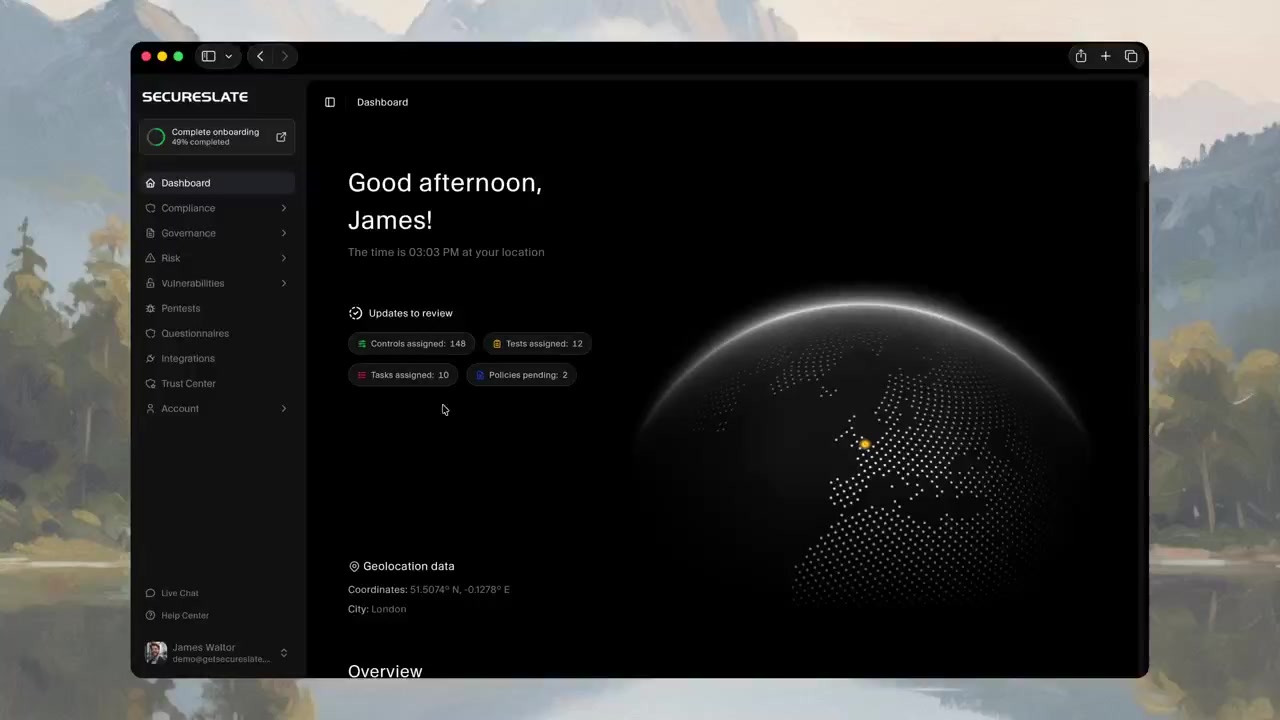
ISO 9001 compliance software and the expert who runs it arrive together under one fixed price, so quality management does not become a side project for your operations lead.

A dedicated compliance lead

One experienced practitioner owns your ISO 9001 program end to end. They map processes, draft the quality policy and objectives, run the internal audit, and answer the certification body directly, so your process owners review and approve instead of learning the standard.

Clause mapping and a gap register

Every ISO 9001:2015 requirement mapped to the policies, controls, and evidence that meet it, so you can see what is covered, what is missing, and which work already counts toward ISO 27001.

Policies, training, and awareness

Policies published to the people they apply to, with acceptance tracked and training assigned and recorded. That is the evidence auditors sample for competence under 7.2 and awareness under 7.3.

Supplier evaluation

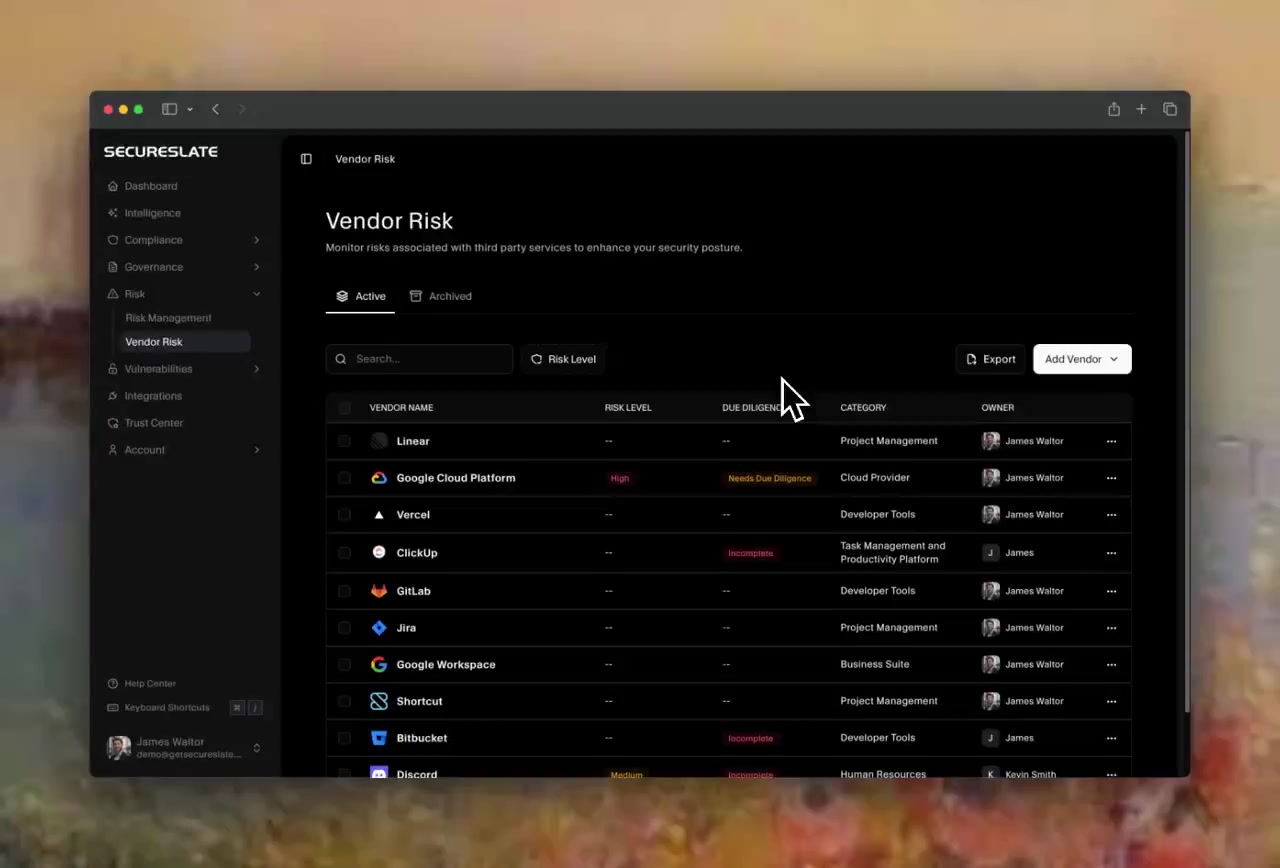
Cloud providers, contractors, and other suppliers that affect what you deliver are evaluated, approved, and reviewed on a schedule, with clause 8.4 records kept next to your security due diligence.

Internal audit and corrective action

Your compliance lead runs the internal audit and prepares the management review. Findings are tracked to closure with an owner, a root cause, and a corrective action, so clause 9 and 10 evidence exists before the auditor asks.

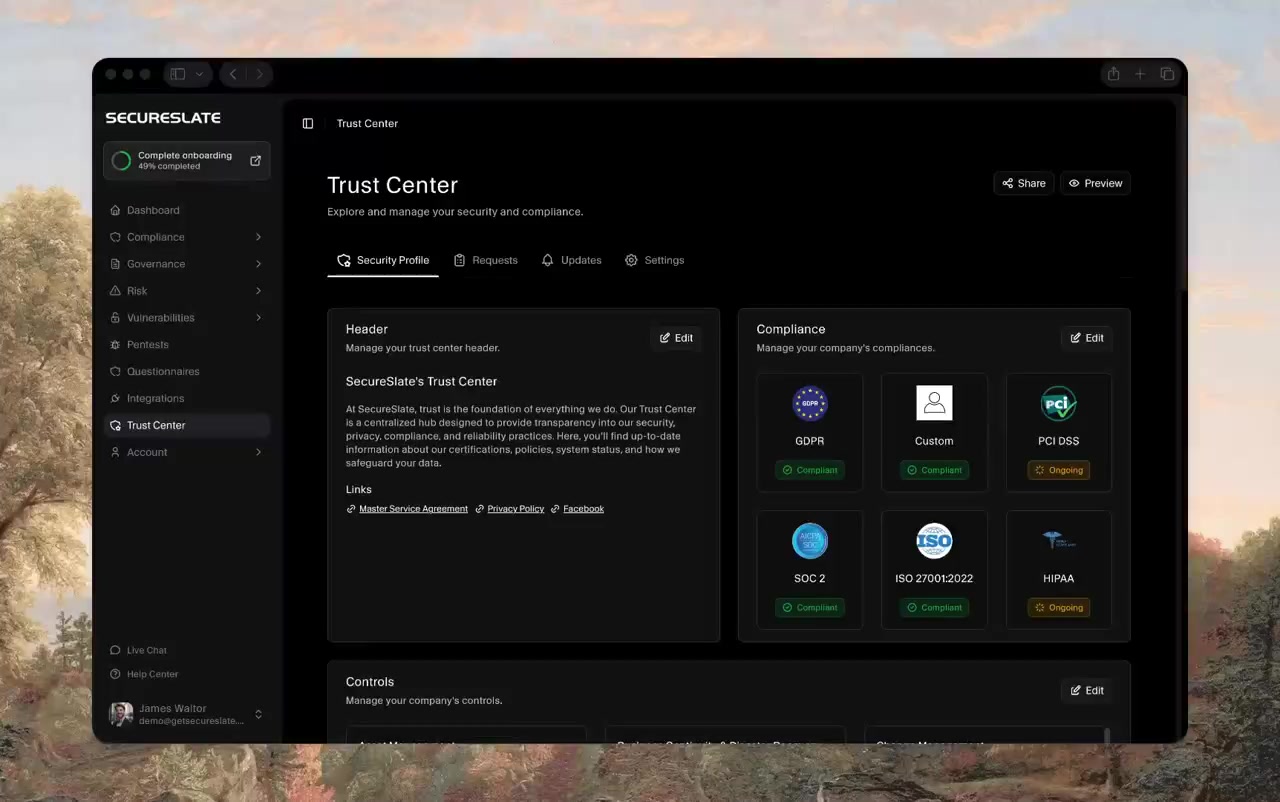
A Trust Center for procurement

Publish your ISO 9001 certificate alongside your security documentation on a live page, so procurement teams find quality and security answers in one place before they send a questionnaire.
Reuse from ISO 27001

Six ISO 9001 requirements build directly on an ISO 27001 program.

ISO 9001 and ISO 27001 share the same high-level structure. If you already run an ISMS, these requirements start from evidence you collect today, and your compliance lead extends them to quality instead of rebuilding them.
7.2 builds on ISO 27001 7.2

Competence

The competence records you keep for security roles extend to everyone whose work affects product and service quality, with training, experience, and qualifications on file.
7.5 builds on ISO 27001 7.5

Documented information

One document control process covers both systems. Approval, versioning, access, and retention work the same way whether the record is a security policy or a release procedure.
8.4 builds on ISO 27001 5.19 to 5.22

Externally provided processes, products, and services

Supplier onboarding and review already cover security. ISO 9001 adds criteria for delivery quality, so one evaluation records both and one schedule keeps them current.
9.2 builds on ISO 27001 9.2

Internal audit

The audit program, auditor independence, and reporting you set up for the ISMS can cover the QMS too, with one audit plan and quality-specific checklists.
9.3 builds on ISO 27001 9.3

Management review

Leadership can review quality and security in one meeting, as long as the inputs ISO 9001 requires, such as customer satisfaction, supplier performance, and quality objectives, are on the agenda and the decisions are recorded.
10.2 builds on ISO 27001 10.2

Nonconformity and corrective action

The corrective action process you run for security findings handles quality failures too: contain the issue, find the root cause, act, and check that the action worked.
Beyond ISO 9001

One management system for quality, security, and AI.

ISO 9001 shares its structure with the other management system standards, so one set of shared processes can support several certificates.

ISO 27001

Many teams certify quality and security together. The shared clauses mean one internal audit program and one management review can cover both standards.

ISO 42001

The AI management system standard uses the same structure. Teams shipping AI features add it on top of their QMS and ISMS without a third set of core processes.

SOC 2

US buyers often ask for a SOC 2 report next to an ISO 9001 certificate. Supplier, change, and access controls serve both, so the programs share evidence.

CMMC

Defense contracts can require a higher-level quality standard such as ISO 9001 alongside CMMC. Documented processes and supplier management support both.

NIST CSF

When buyers ask about security maturity rather than a certificate, the CSF describes it in outcomes. Supplier work from your QMS feeds its Govern function.

Multi-framework programs

Several standards run on one platform when shared evidence stays traceable to each framework's own requirements, instead of one binder per certificate.
ISO 9001 guides

What the ISO 9001 audit actually tests

Three deep dives your team can read before the scoping call, from the checklist itself to the overlap with ISO 27001.

7 clauses
An ISO 9001 compliance checklist for growing teams, phase by phase
Stage 2
ISO 9001 certification cost and timeline, from gap assessment to certificate
2 systems
How ISO 9001 maps to ISO 27001 in a GRC platform, and what must stay separate
Resources

Read up before your scoping call.

Practical guides to ISO 9001, from what it means for a software company to what certification costs.

FAQs

What teams ask before starting ISO 9001.

Find out what your ISO 9001 certificate will take

Bring your scope and the customer asking for the certificate. You will leave the call with a gap summary, a timeline, and a fixed price, whether or not you work with us.

Jamie
Virtual Agent

Hi! I'm Jamie. Curious about your current compliance challenges and how automation might help your team?